Affordable El Cajon Top Hardscaping for Residential Properties
Transform Your Outdoor Space: Expert Landscaping Tips for a Stunning Home Garden
Converting an exterior environment into a beautiful residential landscape involves careful design and thoughtful implementation. By copyrightining the distinctive characteristics of a yard, people can establish specific landscaping goals. Selecting vegetation thrive in the local climate is essential. Moreover, integrating functional landscape features enhances both beauty and usability. Still, the experience won't end at that point. Understanding how to sustain vibrancy and sustainability can uplift any garden significantly. Which tactics lead to successful long-term results?
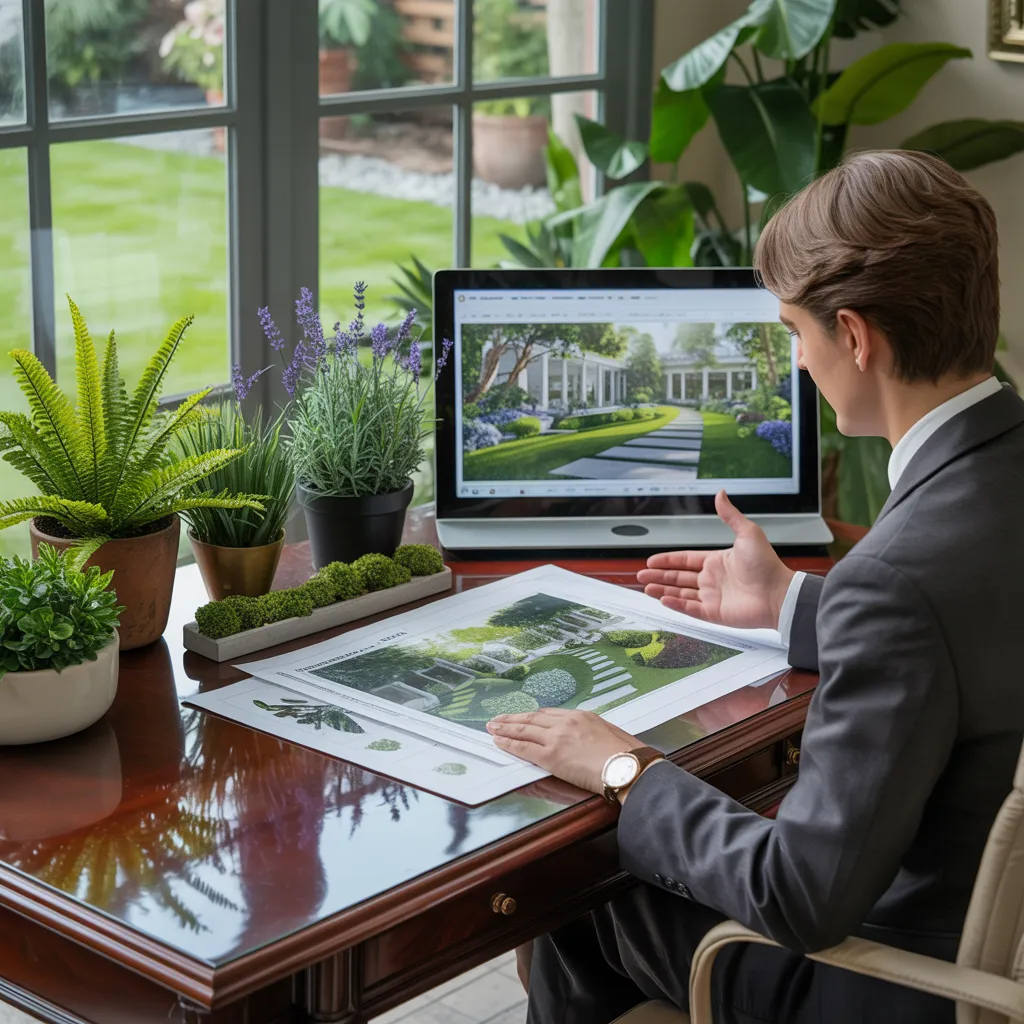
copyrightine Your Property to Determine Your Landscaping Objectives
Before starting on any landscaping project, it is essential for homeowners to evaluate their exterior environment completely. This first assessment allows them to comprehend the unique characteristics of their yard, such as light conditions, ground composition, and current plants. Identifying these elements helps in deciding which landscape features can be successfully incorporated into the area.
Homeowners should record dimensions and note any barriers such as trees, fences, or pathways that could influence the layout. Additionally, recognizing individual tastes and living requirements—such as entertainment spaces, growing plants, or leisure—can direct the landscaping goals. By specifically establishing these goals, property owners establish a solid foundation for a cohesive and functional outdoor environment. This careful evaluation ultimately leads to a more successful and satisfying landscaping project, guaranteeing the exterior environment not only improves the home's aesthetic but additionally satisfies the functional requirements of its residents.
Select the Best Plants for Your Local Climate
Choosing the ideal vegetation for a specific climate is essential for establishing a flourishing exterior environment. Comprehending regional climate conditions, such as temperature ranges, rainfall, and humidity, enables homeowners choose vegetation that will thrive. Native plants typically adjust best, requiring less maintenance and water. For copyrightple, drought-resistant varieties are perfect for dry climates, whereas moisture-loving species thrive in moisture-rich environments.
Gardeners should also consider climate variations; choosing plants that provide year-round interest enhances the landscape. Early bloomers, warm-season vegetation, and colorful autumn leaves can create a dynamic visual experience. Additionally, consulting regional nurseries or extension services can provide valuable insights into sturdy vegetation adapted for particular environments.
Eventually, a strategically designed plant selection not only enhances beauty but additionally promotes local wildlife and supports ecological health, making it a smart decision for any outdoor space transformation.
Elevate Your Garden Through Useful Hardscape Additions
Functional hardscaping elements act as vital components in shaping exterior areas and enhancing their usability. By incorporating seating areas and professionally planned walkways, homeowners can create welcoming outdoor settings that encourage comfort and mobility. Additionally, edging can establish different zones within the garden, adding structure and visual interest.
Establish Your Garden Setting
Creating a carefully organized outdoor space can transform a garden into an pleasant sanctuary. One reliable technique to achieve this is through practical landscape features, which establish structure and layout. Walkways made from brick or stone guide guests while adding visual interest. Retaining barriers can form tiered levels, enhancing the garden's overall design and preventing soil degradation. Fencing or trellises can mark borders, providing privacy and a sense of enclosure. Incorporating raised garden beds not only defines planting areas but also makes them more accessible. These elements function in unison to create distinct zones that improve both visual appeal and practical use. Ultimately, a clearly structured outdoor space creates a tranquil setting where homeowners can unwind and appreciate the outdoors.
Incorporate Seating Areas
Incorporating seating areas into an outdoor space greatly improves its functionality and appeal. By adding practical hardscape features, homeowners can establish welcoming areas for relaxation, socializing, or enjoying nature. Choices range from seating, outdoor furniture, or suspended seats, each adding to the landscape's visual charm and convenience. Carefully positioning chairs near focal points, such as flower beds or water features, encourages users to engage with their surroundings. Additionally, using materials like stone or wood can enhance the landscape's appearance, maintaining design consistency. Protective coverings, such as covered structures or shades, ensure relaxation during hot weather, keeping these spaces accessible year-round. Ultimately, well-designed seating areas transform an ordinary garden into a welcoming retreat for guests and loved ones.
Create Walkways And Edges
Pathways and borders are key components in landscape development, leading people through your garden while reinforcing its structural value. These generate arrangement and circulation, supporting the recognition of separate zones and vegetation types. Stone, gravel, or brick materials can build durable pathways, whereas natural borders from plants or decorative dividers improve beauty. Pathways can promote wandering, drawing notice to highlights such as planting zones or water elements. Well-designed borders prevent unwanted vegetation and landscape degradation, enhancing garden vitality. In summary, adding pathways and borders enhances usefulness and enhances stylistic beauty to your garden setting, creating environments that are more welcoming and satisfying.
Create Flow With Walkways and Sitting Spaces
A thoughtfully designed exterior area regularly showcases a cohesive circulation created through strategically arranged pathways and rest areas. Pathways lead people throughout the garden, developing a strong sense of navigation while improving the aesthetic appeal. Applying selections including gravel, stone, or wood can improve the path's beauty and support durability.
Sitting spaces create pause areas, inviting guests to sit and value the surroundings. Positioning seating strategically beside focal features, like a waterfall or a flower display, promotes involvement with the garden. Your seating preference—benches, chairs, or even lounges—influences the vibe, whether casual or sophisticated.
Adding walkways and rest areas develops a welcoming setting, boosting functionality and pleasure. Combined, they establish a smooth transition among various zones of the garden, encouraging discovery and calm, eventually turning any exterior area into a peaceful sanctuary.
Transform Your Garden With Seasonal Tones and Depth
To boost the decorative value of a garden, strategic selection of seasonal species is vital. Mixing contrasting surface qualities can establish dimension and appeal, while intentionally positioned centers of interest can grab focus and establish a harmonious arrangement. These components in combination promise a vibrant and active outdoor area across the year.
Pick Seasonal Plants Carefully
Selecting plants that bloom seasonally wisely can transform any garden into a vibrant tapestry of color and texture. By choosing plants that flower during different seasons, gardeners can guarantee a year-round showcase of blooms. Spring bulbs, summer annuals, autumn perennials, and winter evergreens each contribute distinctive colors and shapes to the landscape. It is essential to consider local climate conditions and soil types, as well as the plants' development patterns. Indigenous plants often grow more successfully with minimal upkeep, enhancing biodiversity. Additionally, mixing plants of different sizes and flowering periods can produce an engaging visual display. Ultimately, careful plant choices fosters a garden that evolves with the seasons, offering a delightful experience year-round.
Establish Textured Layers To Generate Dimensional Appeal
Making depth in a garden involves blending textures that harmonize with and boost seasonal colors. By incorporating a variety of plants with differing foliage shapes, sizes, and colors, one can establish a dynamic garden composition. For instance, combining full-leaved plants with thin-bladed grasses can create contrast and intrigue. Additionally, integrating bark, stones, and other natural materials introduces sensory features that enrich the overall experience. Seasonal flowers must be strategically situated to deliver color highlights across all seasons, keeping every layer visually appealing. This strategic plan not only draws the eye across the garden but also fosters an immersive atmosphere where all components add to the aesthetic beauty and order.
Incorporate Design Anchors Strategically
Artfully positioning focal points can markedly enhance a garden's design appeal and seasonal dynamism. These focal points function as design anchors that command attention and tie the landscape together. Gardeners can leverage elements such as sculptures, ornamental trees, or vibrant flower beds to set up visual interest. Seasonal color can be infused through the careful selection of plants that bloom at different times, preserving the garden's energy throughout all seasons. Textural elements also play a significant role; combining smooth stone paths with rough bark or lush foliage provides dimension. By thoughtfully placing these elements, a gardener can create an inviting atmosphere that encourages exploration and appreciation, transforming an outdoor space into an engaging retreat.
Utilize Sustainable Approaches for Achieving a Flourishing Garden
Embracing environmentally-conscious practices is crucial for fostering a flourishing garden that flourishes in balance with the environment. Gardeners are encouraged to utilize indigenous vegetation, which demand less water and attention while supporting regional wildlife. Adopting chemical-free approaches, such as composting methods and chemical-free pest solutions, can greatly reduce chemical usage, promoting a more vibrant ecosystem.
Water-saving approaches, like precision irrigation and water collection systems, optimize environmental responsibility by maximizing efficient resource allocation. Mulch application preserves hydration plus prevents invasive vegetation, reducing the necessity for synthetic herbicides. Additionally, supporting biodiversity by including multiple plant types encourages resilience to insects and diseases.
Soil quality is essential; strategies like rotating crops and cover cropping maintain soil nutrients excluding synthetic fertilizers. By implementing such eco-friendly approaches, plant growers can develop a vibrant environment supporting vegetation the natural world, producing a more satisfying gardening experience.
Troubleshoot Typical Challenges for All-Season Garden Aesthetics
A properly-cared-for garden can encounter multiple problems throughout the year, altering its overall appearance plus health. Frequent challenges encompass pest infestations, insufficient nutrients, plus limited water. Recognizing pests quickly is essential; growing enthusiasts should frequently copyrightine plant parts for visible harm along with handle pest outbreaks employing natural pesticides or else incorporating predatory insects.
Nutrient shortages typically manifest as yellow foliage or limited growth. Running soil copyrightinations can assist pin down particular demands, allowing to enable focused fertilization to restore balance. Additionally, ensuring correct watering is crucial; excessive watering can lead to rotted roots, on the other hand too little water strains growing things.
Seasonal changes try this moreover necessitate changes to maintenance. Over winter, mulching shields plant roots against cold, while warm months can demand higher water needs as well as shaded areas to protect sensitive plants. By tackling such typical problems promptly
Should I Handle Landscaping on My Own or Hire a Landscaper?
Certainly, you can complete garden work on your own, leveraging digital tools and original ideas. Nonetheless, employing a specialist delivers expertise, efficiency, and better outcomes, especially for advanced designs or bigger undertakings requiring expert knowledge.
What Vital Equipment Are Required for Yard Landscaping?
Necessary equipment for home landscaping feature a leaf rake, spade, garden spade, trimming shears, garden fork, and a irrigation hose or water can. These implements assist effectively maintain earth, greenery, and overall garden maintenance, ensuring professional landscaping
What's the Most Effective Approach to Preserve My Garden Throughout the Seasons?
For keeping a garden throughout the year, you should frequently prune greenery, use mulch for protection, watch water levels, and implement seasonal planting methods. Moreover, pest prevention and soil fertilization are necessary for lush, healthy development.